
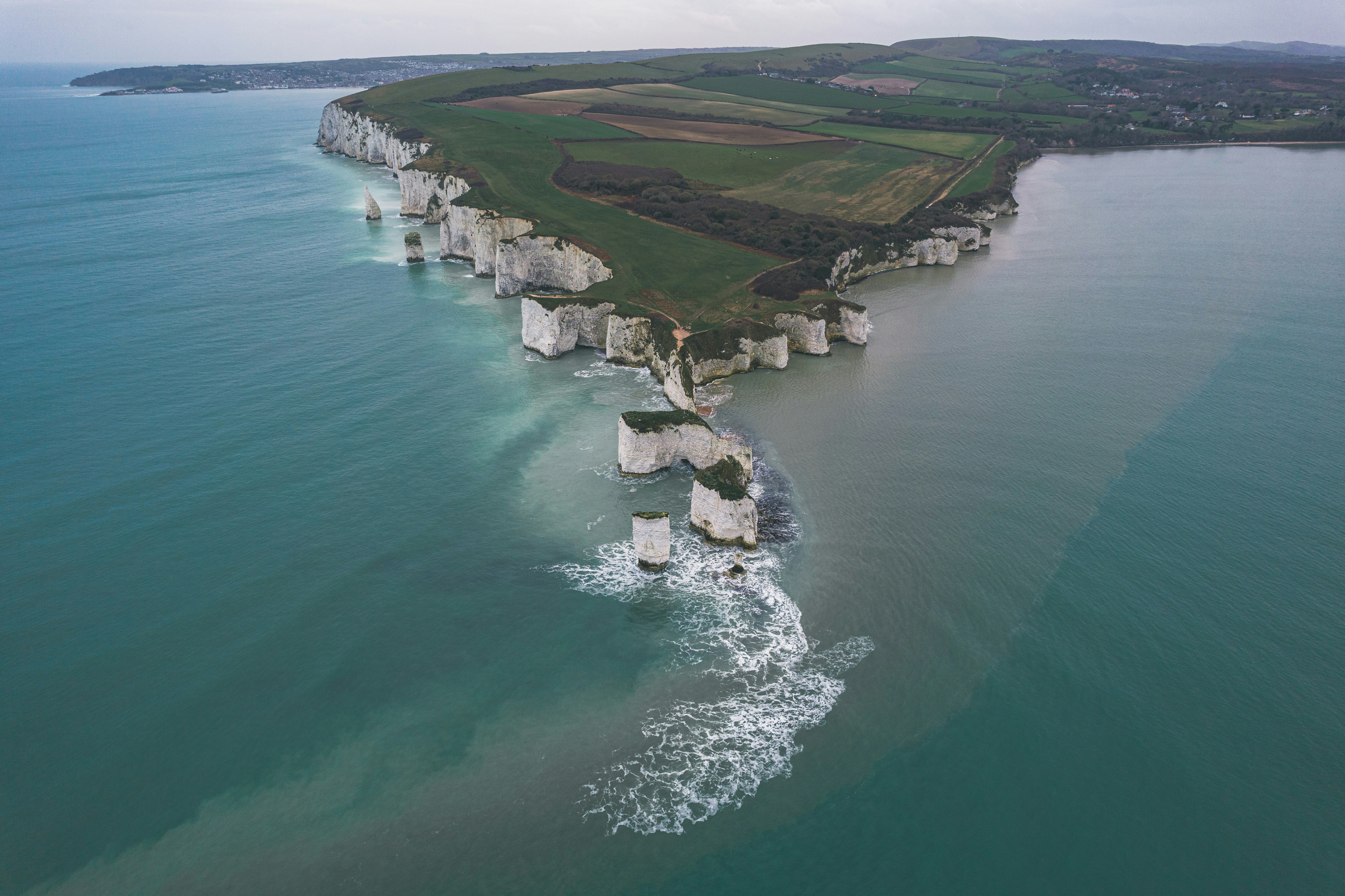
Aerial footage, shot like cinema.
This is the heart of what we do: camera work that happens to fly. Every move is chosen for the story. Where the frame starts, what it reveals, how fast it travels, and where it lands so the editor has somewhere to go.
What it involves
Most projects start with a short list of aerial moments rather than a long list of shots. The opening reveal over the coastline. The slow push across a valley. The tracking move that carries a car through a bend on Mulholland. We work out how each one should feel on screen, then plan the flight around it.
On the day we fly to the plan while staying open to what the light offers. Footage is captured to your production’s technical specs wherever the camera allows, so it cuts cleanly against everything else you shot.
Who it’s for
Directors and producers
Who want aerials that feel like part of the film, not an insert from a different one.
Agencies and brand teams
Building campaigns where place, scale and movement carry the idea.
Documentary makers
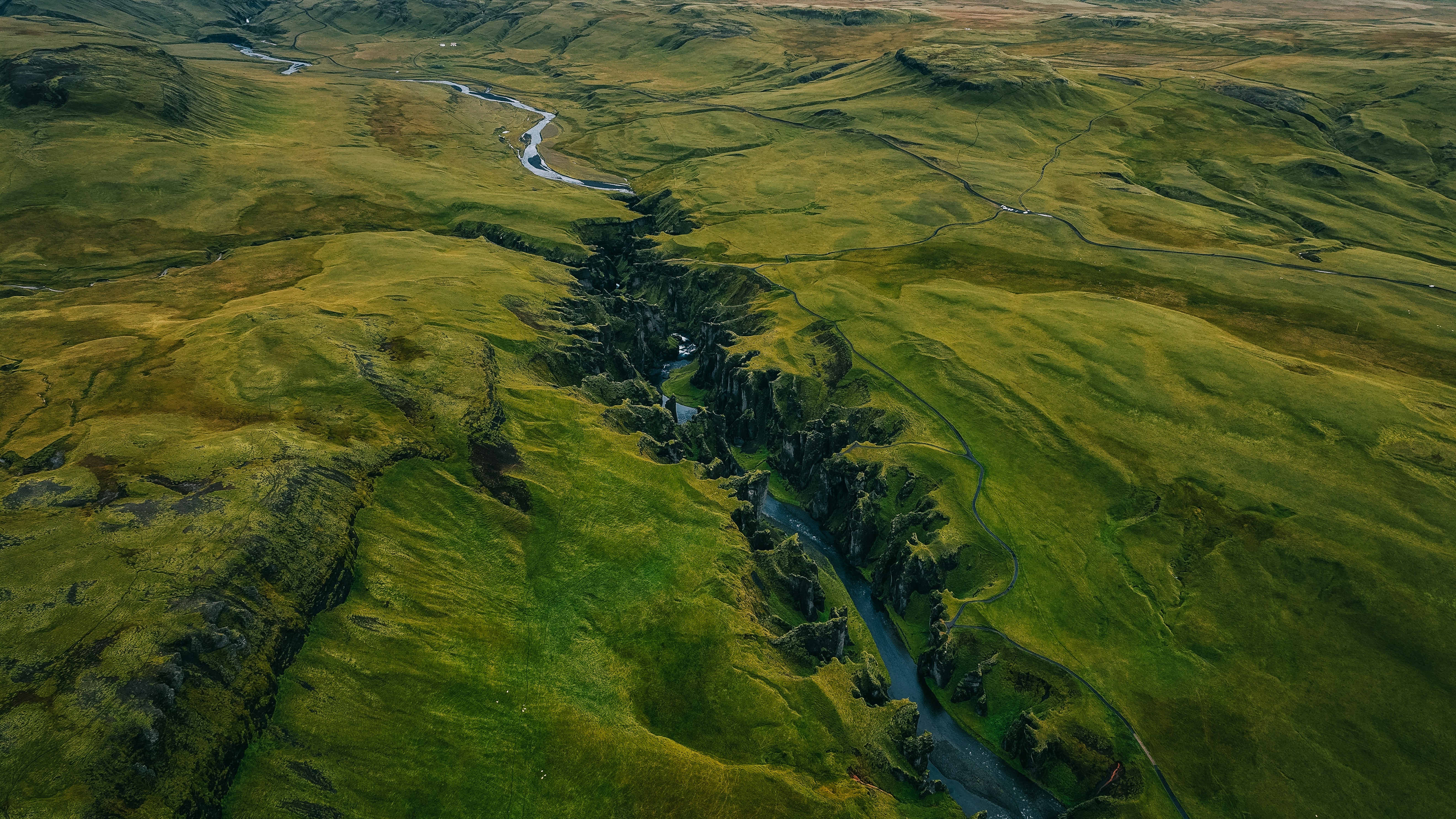
Who need context: the shape of a landscape, a town, a coastline.
Often used in film & television, advertising & agencies, brands & corporate, real estate & architecture, hotels, wineries & hospitality, events & live experiences and tourism & destinations. Based in Ventura & Los Angeles Counties, and available wherever you’re shooting.
Typical uses
- Opening reveals and establishing shots
- Coastal, mountain and desert landscapes
- Tracking shots of cars, boats and people
- Transitions between locations or chapters
- Background plates and title sequences
What it brings to a project
Shots with intent
Each move is designed around the story and the cut, not around what the aircraft can do.
Scale and context
An aerial shows in seconds where a story takes place and how its pieces fit together.
Built for the edit
Clean starts and ends, consistent speeds, and footage delivered the way your post team works.
How we approach it
Every project is scoped on its own. This is the usual shape of the work; see our process for the full picture.
1
Shot design
We break your brief into specific aerial moments with height, direction, speed and timing.
2
Location planning
Light, access, airspace and permits are checked before anyone drives out.
3
Capture
Each move is flown more than once, so the editor has choices.
4
Handoff
Organized media, clear naming and shot notes.
Getting ready
You don’t need any of this finalized to get in touch. Whatever you can share helps us give useful advice sooner.
- A script, treatment or short description of the piece
- Reference frames or films you love
- Locations, or the kind of place you need
- Your shooting window and any fixed dates
- Delivery specs from your post team, if you have them
Questions about aerial cinematography
More answers in the FAQ.
We’ll talk through your camera package, frame rates and color pipeline during planning and agree capture settings that give your colorist the most room. How closely aerial footage can match depends on the aircraft and camera we choose, and we’ll be upfront about that.
Both. A shot list keeps the day efficient and makes sure the essentials are covered first. Once they are, there’s usually time to explore what the light and location are offering.
Often, yes, with FAA authorization. Some locations can be approved quickly, others take longer, and a few are off limits. Send us the address early and we’ll check the airspace before anything else.
Let’s talk about your aerial cinematography project.
Tell us what you’re making and where. The consultation is free, there’s no hard sell, and you’ll leave with a clearer plan either way.