
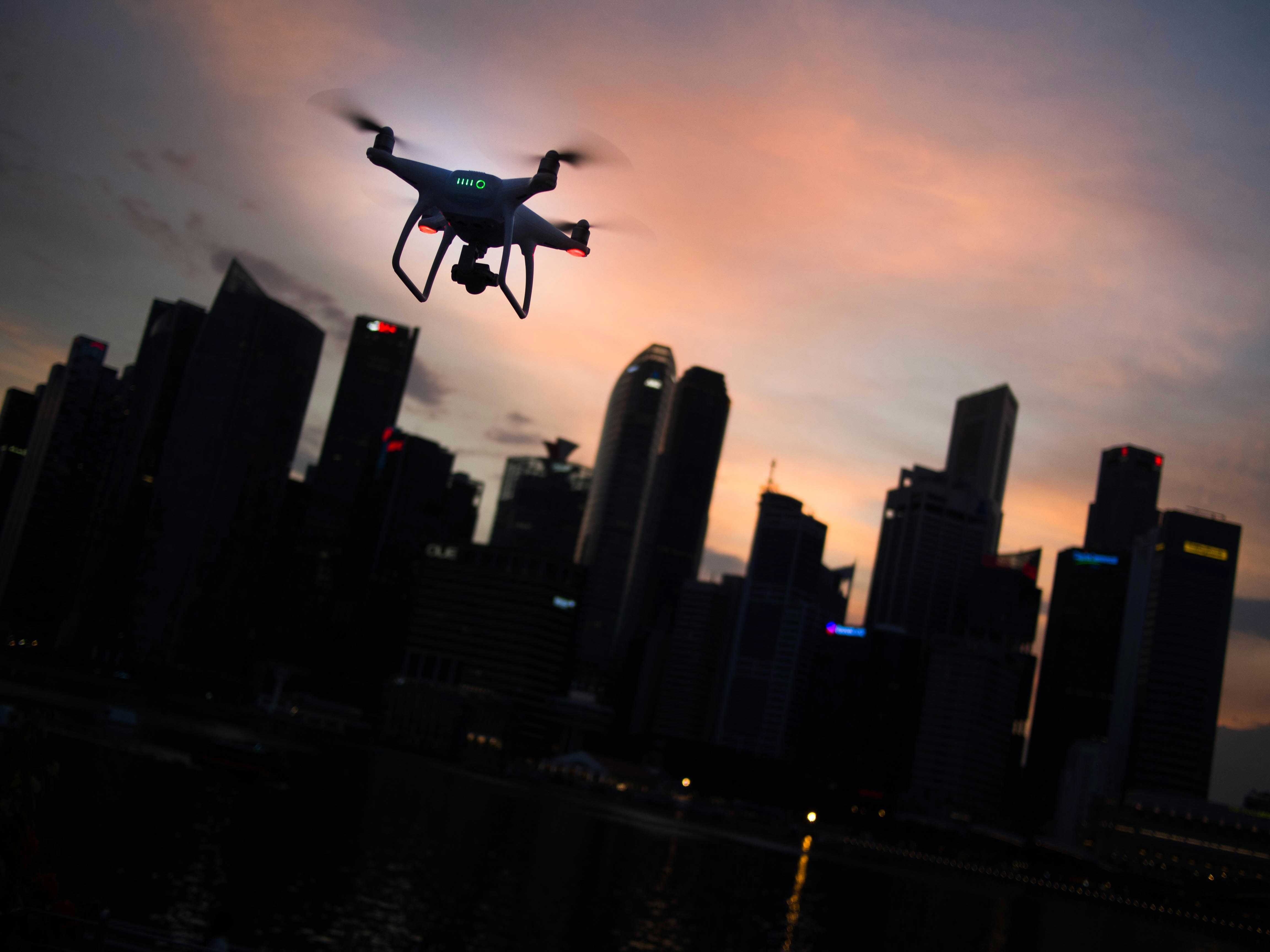
How we think about aerial work
Put a camera in the sky and almost anything looks impressive for five seconds. As aerial cinematographers, we design for the sixth.
That’s the moment the audience stops being surprised by the height and starts asking what they’re looking at. If the shot has an answer, it earns its place in the cut. If it doesn’t, it’s just altitude.
So we start with the script or the brief, not the aircraft. Where does the shot sit in the edit? What comes before it, and what comes after? Then we look at the light, the wind forecast and the airspace map, and only then do we talk about how to fly it.
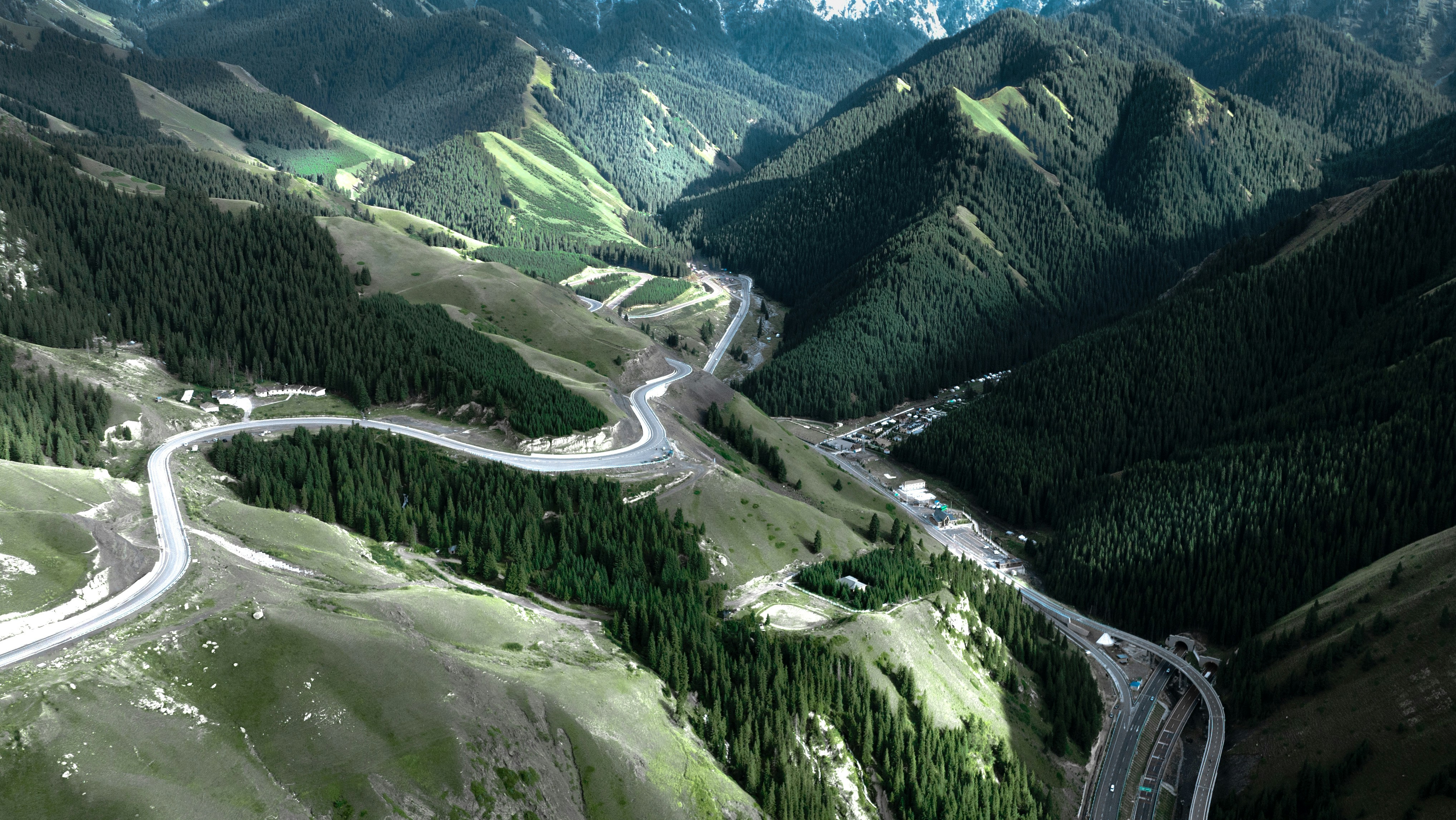
Why “Class G”
Class G is the FAA‘s name for uncontrolled airspace: the layer of sky closest to the ground, outside the controlled zones that surround airports. It’s home territory for camera drones, and it felt like the right name for a company that lives a few hundred feet up.
In Los Angeles, of course, plenty of the sky isn’t Class G. LAX, Burbank, Van Nuys and Santa Monica all cast long shadows across the airspace map, and Ventura County has Camarillo, Oxnard and the Navy at Point Mugu. Knowing exactly where open sky ends, and how to get authorization where it does, is a bigger part of this job than most people imagine.
What working with us is like
We ask a lot of questions early
About the edit, the audience, the light and the location. It saves an enormous amount of time on the day.
You’ll hear the bad news first
If a shot isn’t possible, isn’t legal or isn’t a good idea, we’ll say so at the planning stage, and bring an alternative with us.
The set stays calm
Clear briefings, agreed signals and a plan everyone understands. A drone shouldn’t make a production day more stressful.
Footage arrives ready to cut
Clean starts and ends, useful handles, sensible file names and notes your editor will actually read.
What we hold ourselves to
Precision
In the frame, in the flight, and in the planning that makes both possible.
Collaboration
Directors, producers, agents and site teams know things we don’t. We listen first.
Craft
Composition, movement and light, considered one shot at a time.
Good judgment
Safety, privacy and the neighbors below are part of the job, not an afterthought.
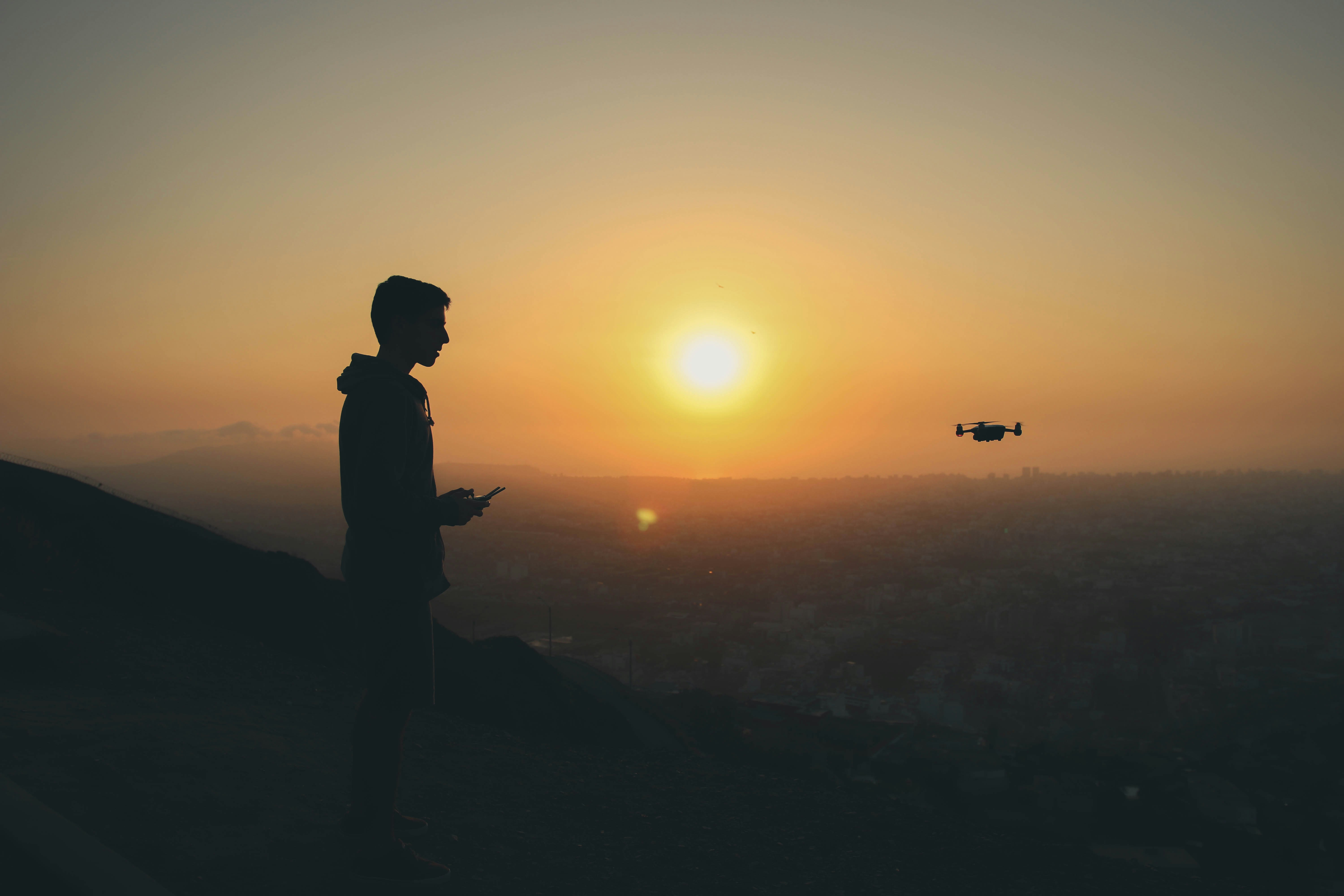
Bring us the idea. We’ll find the angle.
A free consultation is the easiest way to find out whether we’re the right fit for your project.