A brand film has a lot to do in a short time. Say who you are, make people feel something, and leave a picture in their heads. Aerial shots can help with all three. They can also turn into expensive filler. The difference is how they’re chosen.
Begin with what the brand stands for
Before anyone talks about shots, write down the two or three ideas the film has to get across. Craft and heritage, maybe. Freedom and adventure. Scale and reliability.
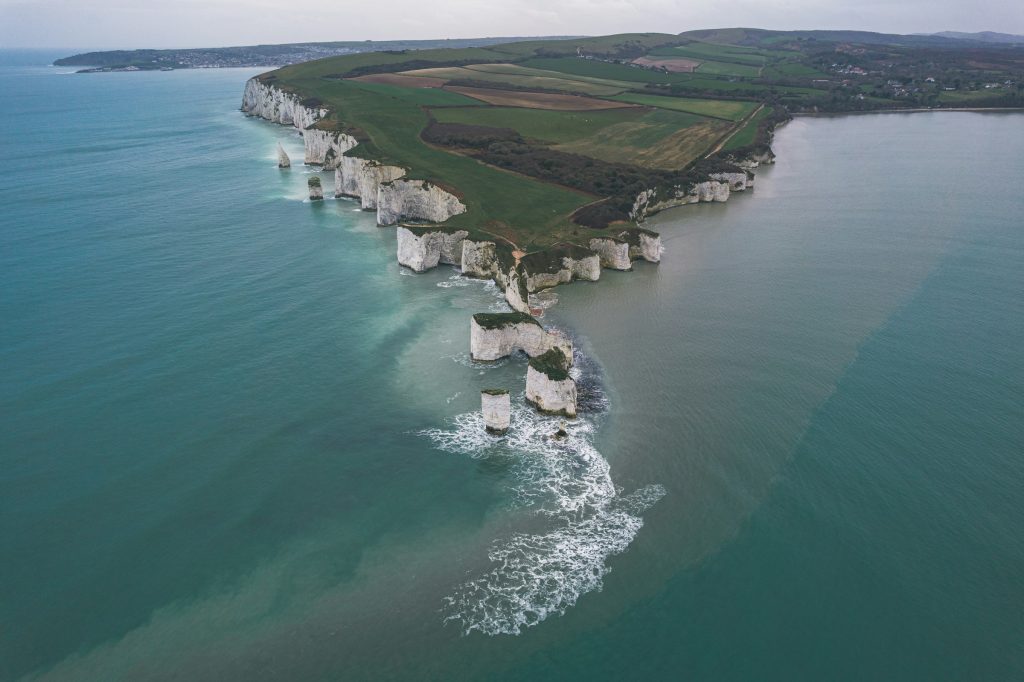
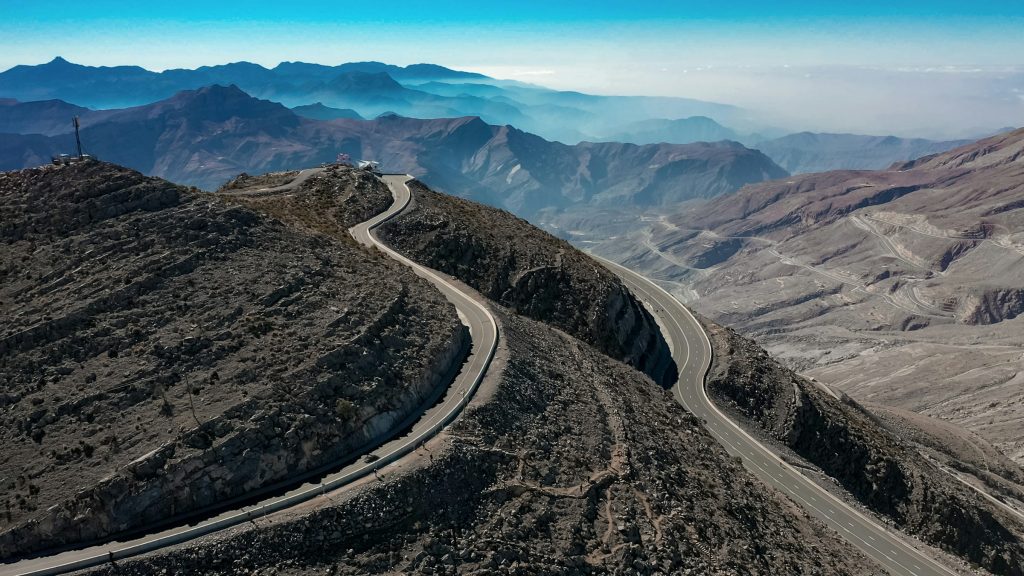
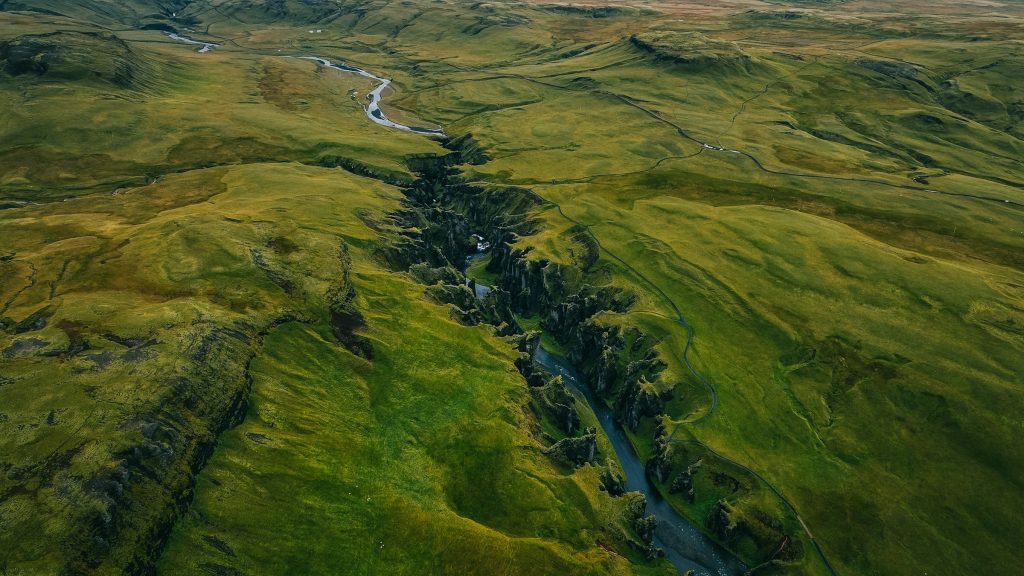
Then ask a simple question: where would a view from above make one of those ideas clearer, or more moving?
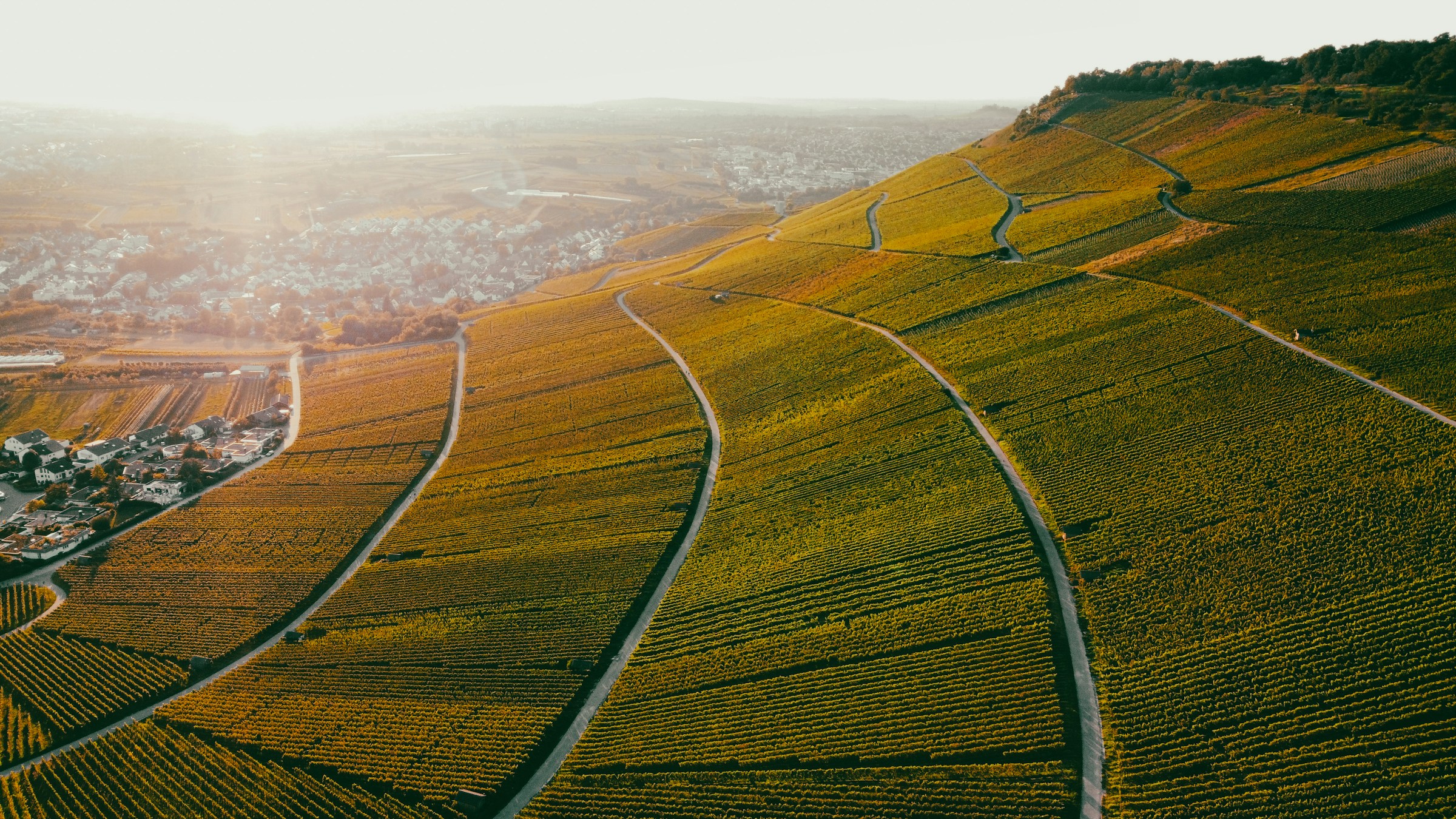
For a family winery in the hills behind Santa Paula, it might be the land itself, the rows running up the slope and the ocean haze in the distance. For a manufacturer in the Valley, it might be scale, the size of the operation and the city around it. For a surf brand, it’s the coastline. If an aerial doesn’t serve one of the core ideas, it probably doesn’t belong in the film.
Give your aerial shots a job
In most brand films, aerial shots play one of four parts.
The opener sets up the world of the film. It should be confident and simple, with a clear subject.
The connective tissue is a handful of short aerial moments between scenes that keep things moving and remind the viewer of the bigger picture.
The turn marks a shift in the story: from problem to solution, from one person to a community, from day into night.
The closer is the image that lingers, often a pull back or a slow rise that leaves the viewer with a sense of scale, or of calm.
Deciding which shot plays which part makes the shoot easier to plan and the edit far easier to build.

Don’t forget the people
Brand films are usually about people as much as places, and aerials can include them without losing intimacy. A single figure walking the tideline at Point Mugu. A crew arriving on site at dawn. A truck on an empty farm road. That contrast of scale, a small human in a big landscape, is one of the most reliable ways to make aerial footage feel emotional.
Plan for every screen
The hero film might be widescreen while the cutdowns run vertical on social. Aerials, especially top-down compositions, can be framed to work both ways if that’s planned from the start. Share the deliverables list early so the key shots are captured with every format in mind.
Then cut the list in half
Aerial footage is powerful partly because it’s a change of perspective. If every other shot comes from the sky, that change stops registering. So here’s a simple exercise: go through your script and mark every moment where an aerial could add something. Then cut the list in half, and keep only the shots that clearly serve the story or the brand’s core ideas.
What’s left is your aerial shot list, and almost always a stronger film. If you’d like a second pair of eyes on yours, that’s a big part of how we work on commercials and brand films.