On a drone shoot for a commercial, the aerial unit usually gets a thin slice of a crowded schedule, and a lot is riding on it. The shot on the board might be the opening frame, the key art, or the moment the whole spot builds toward. In Los Angeles there’s an extra layer: some of the busiest airspace in the country, and a permit system with its own rhythm.
Here’s how we approach it.
Pull the aerial moments out of the board
Start by listing every aerial shot in the storyboard or script. For each one, write down what it needs to communicate, roughly how long it holds in the edit, what’s in frame (car, talent, product, landscape) and anything that absolutely has to be there, like a horizon, a logo or a landmark.
That little list becomes the backbone of every conversation that follows, from the location scout to the call sheet.
Check the airspace before you fall for a location
A location can be perfect on camera and impossible to fly. Much of the LA basin sits in controlled airspace around LAX, Hollywood Burbank, Van Nuys, Santa Monica and Long Beach. That doesn’t rule it out, but it does mean an FAA authorization. In many spots that comes through quickly; in others it takes weeks, or isn’t available at all.
So the first thing we do with any address is look it up on the airspace map, and check for temporary flight restrictions around stadiums, wildfires or VIP visits. It’s five minutes of work that can save a reshoot.
Permits, parks and who owns the ground
Most commercial shoots in the City of Los Angeles and unincorporated LA County need a FilmLA permit, and the aerial work should be included on it. Ventura County handles its unincorporated areas itself, and cities like Ventura, Oxnard and Thousand Oaks issue their own.
Then there’s the question of where the drone takes off. National park land, including the NPS-managed parts of the Santa Monica Mountains, generally doesn’t allow it. California State Parks decide park by park, and plenty of beaches have their own rules. Private land needs the owner’s permission. None of this is hard, but all of it is easier three weeks out than three days out.
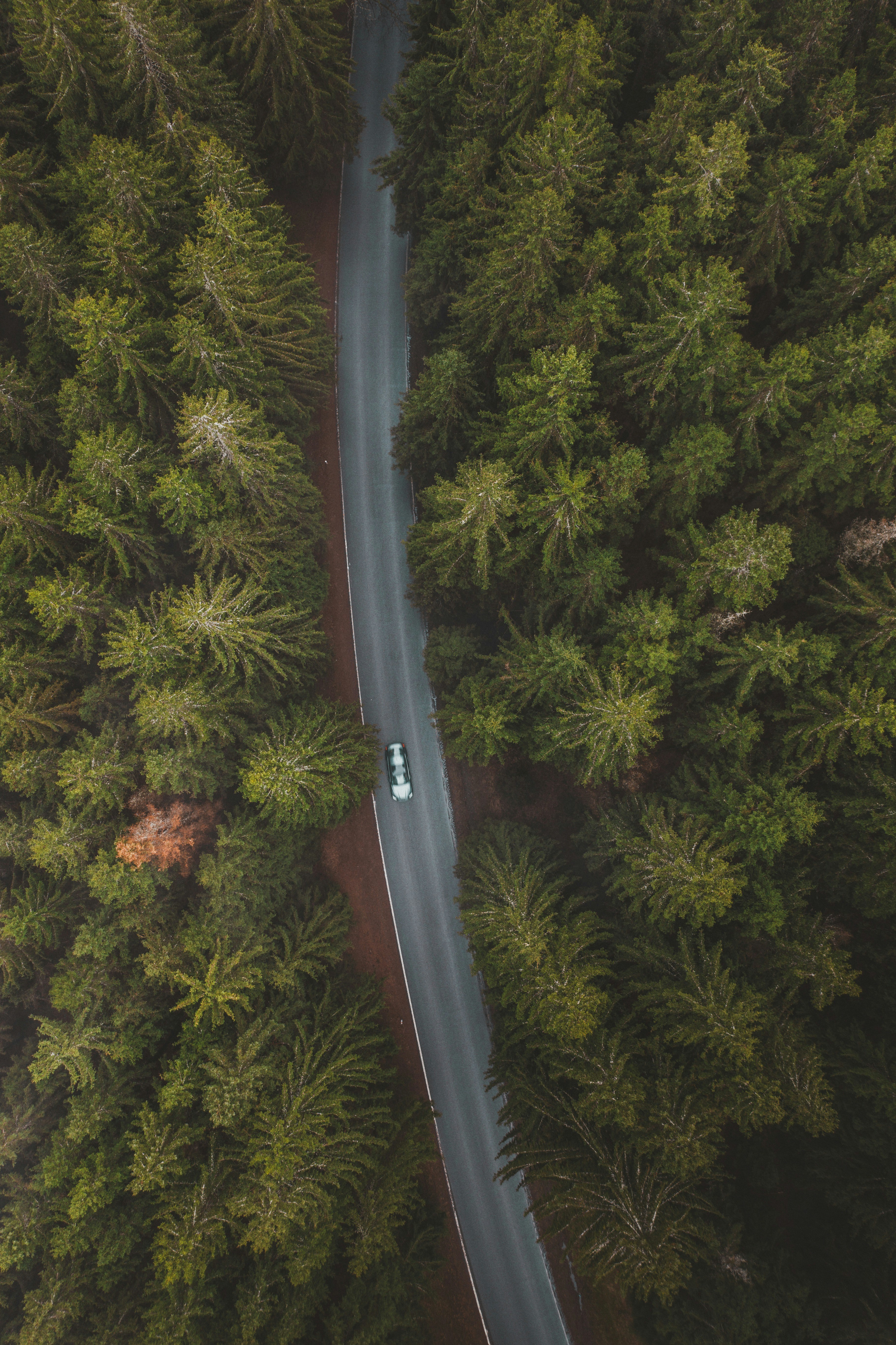
Plan around the light (and the marine layer)
Map the sun for your shoot dates and decide which shots need golden hour, which can live with midday, and which want blue hour. On the coast, add the marine layer to the calculation. In late spring and early summer it can sit over Malibu until noon while the Valley bakes, so a coastal golden-hour shot might need a second window.
Then build the aerial schedule around those windows, rather than squeezing it into whatever gap is left.
Get ground and air talking
Aerial work touches the whole production. Agree in advance who calls action for aerial shots, which radio channel the unit is on, how it coordinates with the tracking vehicle or precision driver, and who is responsible for safety zones and road closures. The best aerial days feel calm because everybody knows exactly when the drone is up and what it’s doing.
Agree the specs before, not after
Talk to post before the shoot. Resolution, frame rate, color profile, aspect ratios and delivery method all need agreeing. If social cutdowns are on the deliverables list, key shots can be framed with vertical crops in mind, or flown again for a dedicated vertical take.
Be realistic about the schedule
Aerial setups take longer than they look: take-off and landing, battery swaps, repositioning, safety checks, repeat takes. A shot list that tries to cram too much into one light window usually ends with compromises on the shots that mattered most.
And if you can, leave ten minutes at the end. Some of our favorite frames came from the light doing something nobody planned for.
Planning a commercial with aerial moments in LA, Ventura County or anywhere else? We’re always happy to look at a board and talk it through.