Put a camera in the sky and almost anything looks impressive for about five seconds. That’s the trap. Height on its own is novelty, and novelty wears off fast, usually somewhere around the third slow orbit of a house in the hills. Great aerial cinematography starts somewhere else.
The aerial shots that stay with people have something else going on. Somebody decided what the frame should reveal, how quickly, and why that moment in the story needed it.
Start with the story
The most useful question at the start of a project isn’t “what can the drone do?” It’s “what does the audience need to understand, or feel, right here?”
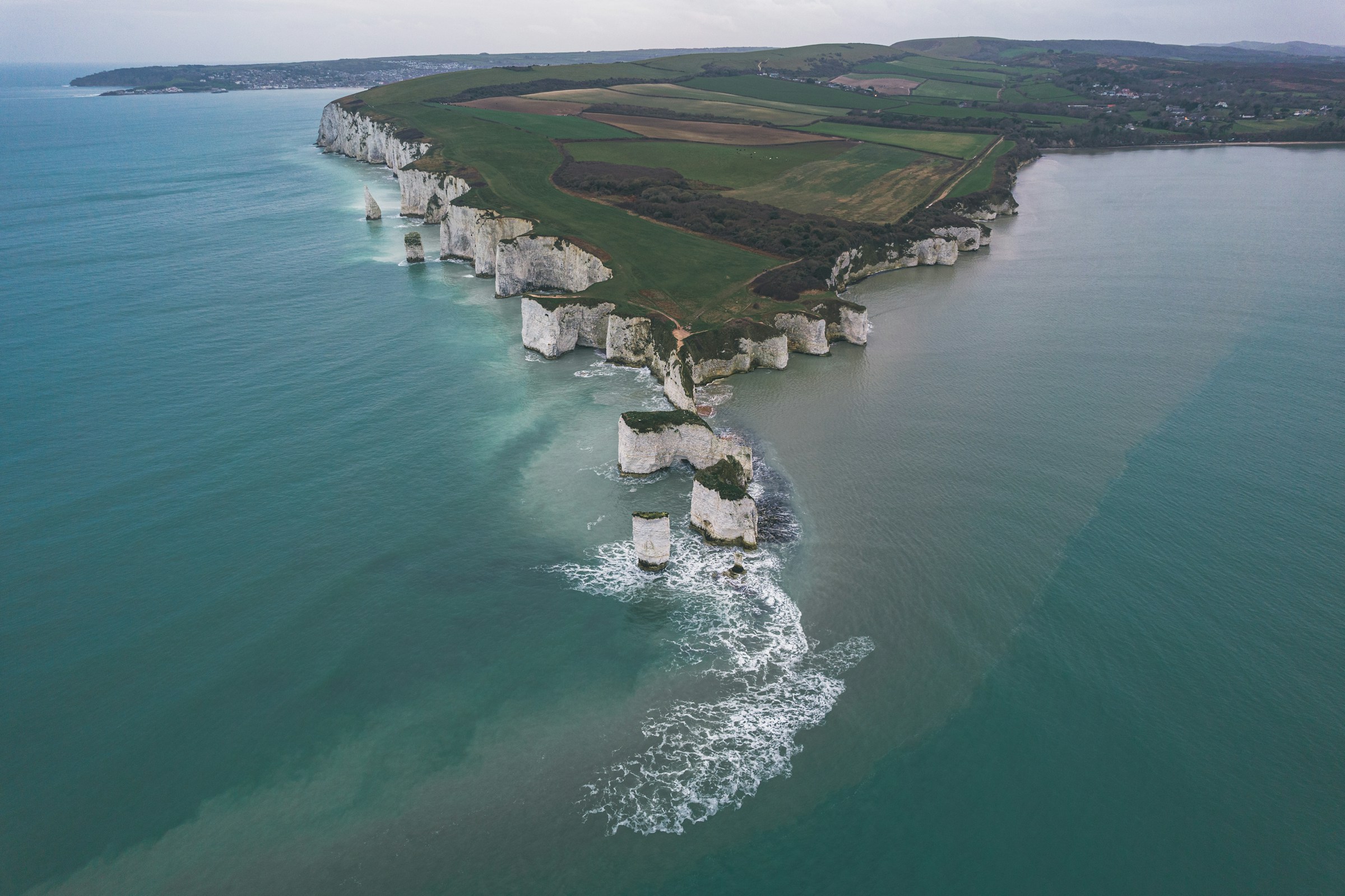
Sometimes the answer is simply orientation. Where are we? How big is this place? A high, steady frame over the Ventura coastline answers that in two seconds. Sometimes it’s emotion: isolation, freedom, anticipation. A single car on an empty stretch of the 33 above Ojai says something very different from the same car on the 405 at rush hour. Sometimes the answer is a breath, a quiet moment between two busy scenes.
Each answer points to a different shot. Once the purpose is clear, the move very nearly designs itself.
Composition still rules
From above, everything you know about composition still applies. It just looks different.
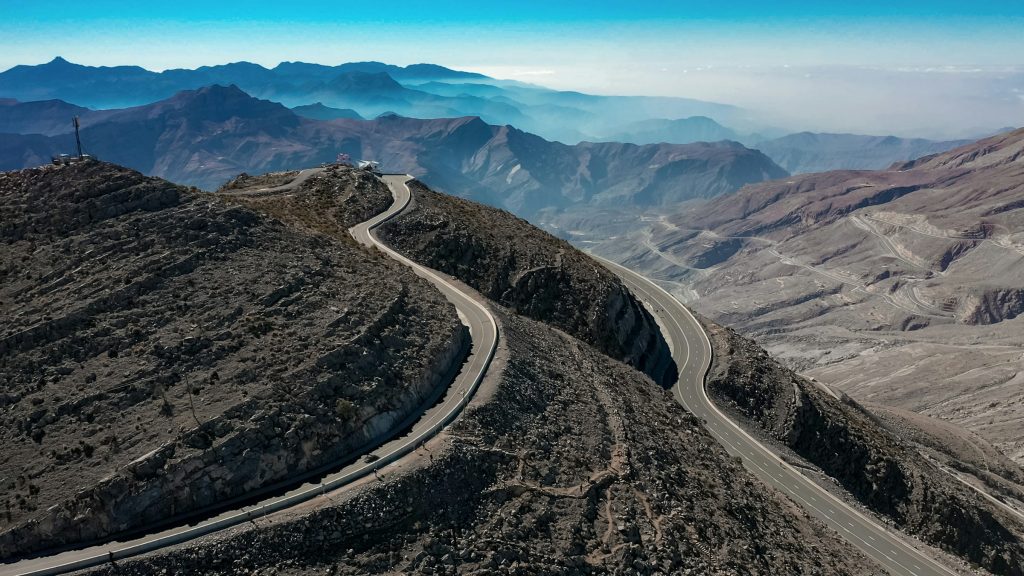
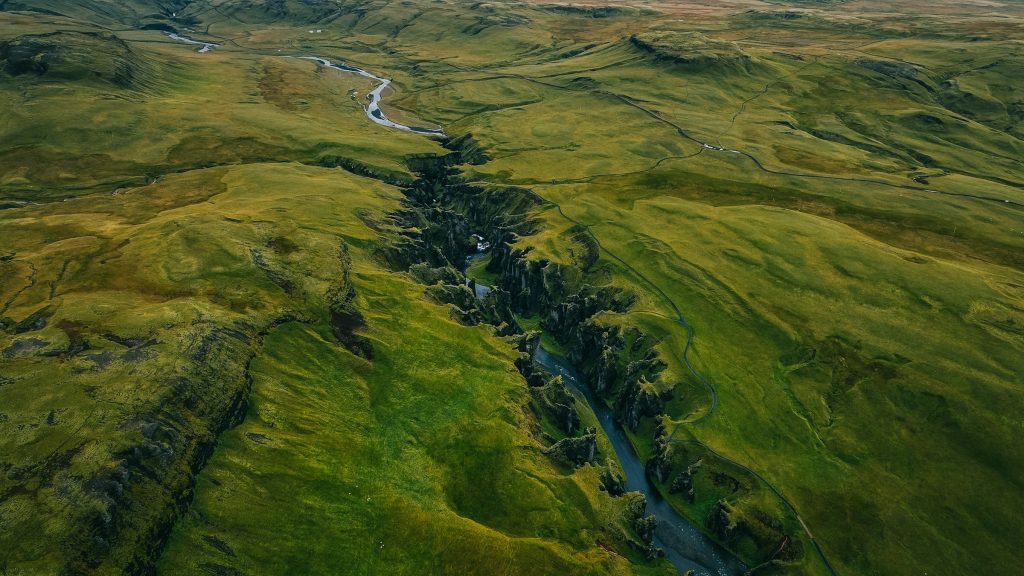
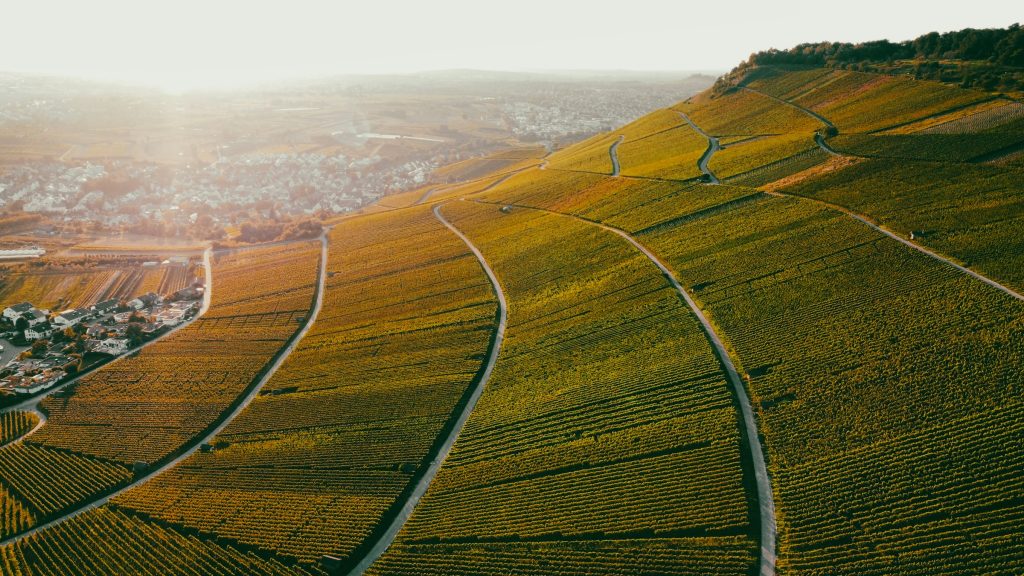
Roads, rivers, crop rows and coastlines become graphic lines. Shadows stretch out and define shape. Shoot the strawberry fields outside Oxnard straight down at the right time of day and you get something closer to a painting than a landscape. Lower down, a strong foreground element, a ridge, a palm line, the edge of a rooftop, gives the frame depth and gives a reveal something to slide past.
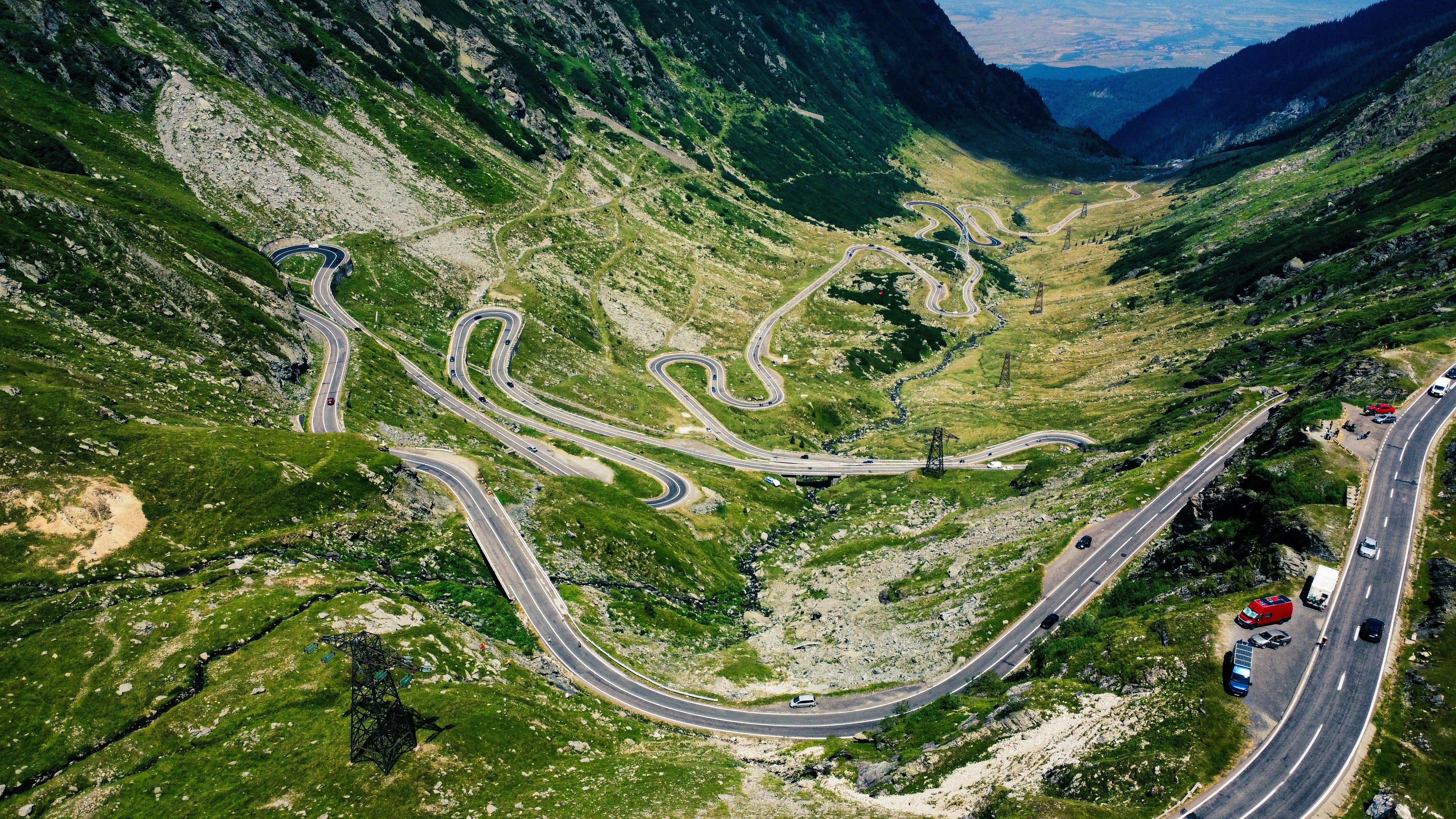
Movement should mean something
Every camera move says something. A push in says pay attention to this. A pull back says see the bigger picture. A lateral track carries us alongside a subject. A rising reveal holds something back and then hands it over.
Good aerial movement is usually slower and steadier than people expect. Gentle acceleration, a consistent speed and a controlled ending make footage feel deliberate. Fast, twitchy moves have their place, but they should be a choice, not a habit.
The best aerial shot is often the one where nobody thinks about the drone at all.
Light does half the work
The same stretch of Malibu can look flat at noon and unforgettable an hour before sunset. Low sun throws long shadows that reveal texture. Soft overcast light, which the marine layer supplies generously in early summer, can be lovely for moody coastlines and architecture. And blue hour over downtown, when the towers light up and the sky is still deep blue, is worth an early dinner.
Planning around light, and being ready to change the plan when the light does something unexpected, is one of the most valuable things an aerial team can do.
Shoot for the edit
Aerial shots rarely play on their own. They sit between scenes, under music, under narration. So we think about the cut while we’re flying. We start and end every move cleanly, with a beat of stillness either side. We fly the important moves more than once, at slightly different speeds and heights, so the editor has options. We keep direction of travel consistent with the scenes around it when continuity matters. And we always grab a few long, slow takes that can hold under a title.
Great aerial cinematography knows when to stop
The temptation is to use aerials everywhere. Usually the opposite works better. A film with three perfectly placed aerial moments feels more cinematic than one that cuts to the sky every thirty seconds.
The same goes for the flying itself. Respecting people’s privacy, staying inside the rules and knowing when not to fly are all part of the craft. A safe, well-planned shoot is almost always a calmer and more creative one.
If you’re planning something and wondering where aerials could help, that’s exactly the conversation we like to start with.